Do you remember your summer breaks when you were a kid? June, July, and August used to be a nice break, so Adult Me decided to press Pause this summer to better focus on some other things that matter to me. During this break I upgraded a few key aspects of my mixing space and was retooling my workflows when I was asked by a few people to master several tracks.
While I enjoy mastering songs, I much prefer the mixing phase of the music-making process where I can better get to know the individual parts which, in turn, help me to more fully understand and hear what the overall song itself is telling me it needs as I work to balance, blend, and (sometimes) bend the recorded sounds to get to that place where the song is telling us that it's done.
If you need to review the different stages of music-making, you can quickly get up to speed with my eBook available in the Amazon Kindle Store for only $0.99!
Many independent artists have gravitated towards releasing each new song as a standalone single. There are still some compelling arguments for releasing an EP or full album and it's not uncommon to later re-release your singles as a new collection. With multiple songs in mind, the mastering phase can change your approach for finishing and releasing your music.
Mastering is different than mixing and therefore offers a different perspective, much like our summer breaks did when we were kids. Having a different perspective is always a great opportunity to rethink, reassess, and remember a few important things and I wanted to capture some thoughts around these lessons learned from mastering that can also impact every other stage in the music-making process:
Stepping Back to Go Forward
Mastering is the final stage of music-making where we are polishing the final mix before releasing the finished product to your audience. This is NOT the place where we want to be fixing anything. Minor but strategic adjustments are being made to optimize the stereo file for distribution. As many others have said, if the mix is about 85-90% there, then mastering is that last 10% or so that makes it truly sound like a record.
If any major changes need to be made during mastering, it's best to go back to the mixing stage to address it. Likewise, no amount of mixing magic can create an emotional performance of a brilliantly written song if either one of those is just MEH...
Sometimes the best thing to do is to take a step back in order to go forward.
Better to Burn Out than Fade Away?
When you've first written your new song it's more likely that you know how it will start more than how it should end—will it fade out during that last section, does it end definitively on the root chord, or does it just go right into the next song on the album? By the time you get to the recording/tracking stage, it's time to make a decision and commit. That makes it easier to communicate to both the mixing and the mastering engineer how to work with the end in mind.
Each Ending is a New Beginning
Building off of the fades, the transition between songs is important too. When you're releasing an EP or album, you should have a particular song sequence in mind so the mastering engineer can better ensure the softer ballad you've recorded still fits in with the rockin' party anthem that might follow it. Just like different sections within the same song might add some contrast and variation, each song in the collection can do that as one song leads into the next.
We Are Family
For me, every song on your album or EP should sound like they're supposed to go together as part of that collection. While still different from one another, all of the songs in this project should still be able to be heard as being part of the same sonic family, not random strangers thrown together for an awkward group photo. Apply your own unique sound to your songs so your audience can easily recognize (and remember) your work.
Have you been releasing your songs as singles or have you also released an EP or full album? How has either approach influenced the final stages of your music-making process? I'd love to hear what you've been up to this summer. Tell me about your music!
Whenever your find something of value here, please share it via social media and in your musical circles.
Please Subscribe
get thoughts on music-making & making music thoughtful
we respect your privacy

I’ve launched a new series of Getting Started videos to support anyone who wants to record their music but may not even know where to begin. Start with what you have before investing more time & money; you can scale your efforts as your musical goals change & budget allows.

I've written an interactive eBook to introduce the basic steps you'll need to complete if you really want to finish your new song, record it, and have it released to your audience.Best thing is, IT'S FREE! No gimmicks. It's simply my gift to you for being a music-maker.

I've posted a short video showing how you can quickly get your phone or tablet set up for recording your voice and instruments onto individual tracks that can then be easily shared and downloaded across multiple platforms. Get started making more music, more often!

While many people already know how to save their finished song as a single stereo file to iTunes, fewer may be familiar with the process of properly exporting multi-track files from iOS GarageBand to collaborate with other musicians, producers, and mix engineers.

While workflows will vary from project to project and personal preferences always play a role, there are some items that are simply required. I've separated these from the "nice to have" items but often times it's several small things that will add up to either keep the project moving forward or to rob it of your time, money, and objectivity.

Be strategic with your purchases to better integrate them into your existing music-making workflows.

Don’t sabotage your best efforts as you make your recording and release it to your audience.

Lessons learned from mastering your songs can also impact every other stage in the music-making process.


Don't miss the opportunity to make the song your own by injecting your personality and distinctive sound.
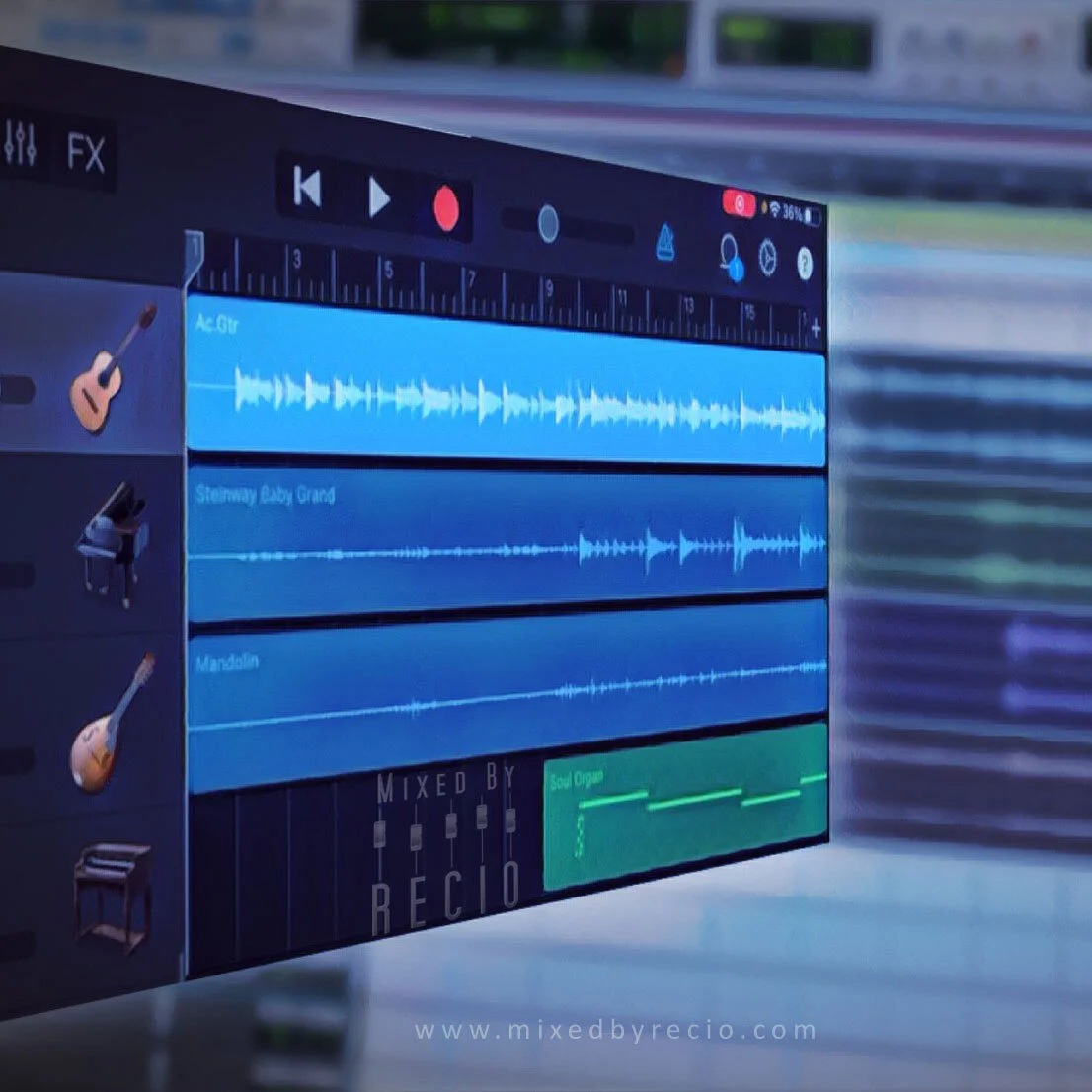
This video shows how to export individual multitrack files from iOS GarageBand and includes steps for converting MIDI tracks to audio.

While it can be difficult to take pride in everything you create, take pride in the fact that you are creating something.

Fix before you mix. Start the mixing phase with the audio you want to be mixed, not fixed.

Use the limitations of your mobile app to focus on capturing one solid performance at a time.

My new YouTube series on Getting Started continues with a short video that establishes the need to use headphones to monitor your audio while recording your music.
I’ve launched a new series of Getting Started videos to support anyone who wants to record their music but may not even know where to begin. Start with what you have before investing more time & money; you can scale your efforts as your musical goals change & budget allows.

With remote collabs, you can quickly have a full production ready for mixing & mastering without having to get dressed or leave your home.

Music is something that is needed more than ever. If we can’t support each other financially, we can support each other creatively to ensure that new music can—and will—still be heard.


Separate the song from the recording of the song to tell us a good story and make us feel something.


You shouldn’t have to wait until the tracking session or live gig to figure out if a song will come together the way you hope it will.

When someone hears your song for the first time, you have one chance to make that first impression. Will they listen until the end? Will they listen at all or press Skip?
More than anything else, your final mix is dependent on the efforts put into the songwriting, the performance, and the recording going into it.

It’s not just about proper credit but collecting potential revenue to fund your art. You know how hard you worked on your song. Take the steps to protect your rights..


Finding good answers to your music-making questions can be frustrating. I'd like to share my answers to common questions in hopes that it helps you and your music get to the place you want to be, sooner rather than later.

The recording stage of the process is critical because that's when we actually get to make music. Sometimes small changes make a big difference in getting the results you want.

Unplug to rediscover your song’s core vibe. It's not uncommon to spend a lot of time and effort building out a full production of a song only to scrap it all and go back to its roots. We can become unable to hear that the song was already there, and it was working quite well before we buried it underneath too many well-intended ideas.

Songwriters love their music for different reasons than the casual listener does, so how can we make music worth loving?

Here are 5 musical routines you can implement throughout this new year to help generate and finish more of your song ideas while staying better prepared to record and release them to your audience.

Develop a creative workflow and then find technology that will compliment your process, not complicate it. Remember that the level of quality in our music has to be preserved by the songwriters and the musicians, not the tools.

When used wisely, technology can be an incredibly effective tool for creating new music but it can also become the biggest hurdle in creating music that still feels musical. There must be a balance between efficiency and originality. We need to find tools to enhance our creativity, not to restrict, and certainly not to replace our creativity.
This video shows how to export individual multitrack files from iOS GarageBand and includes steps for converting MIDI tracks to audio.